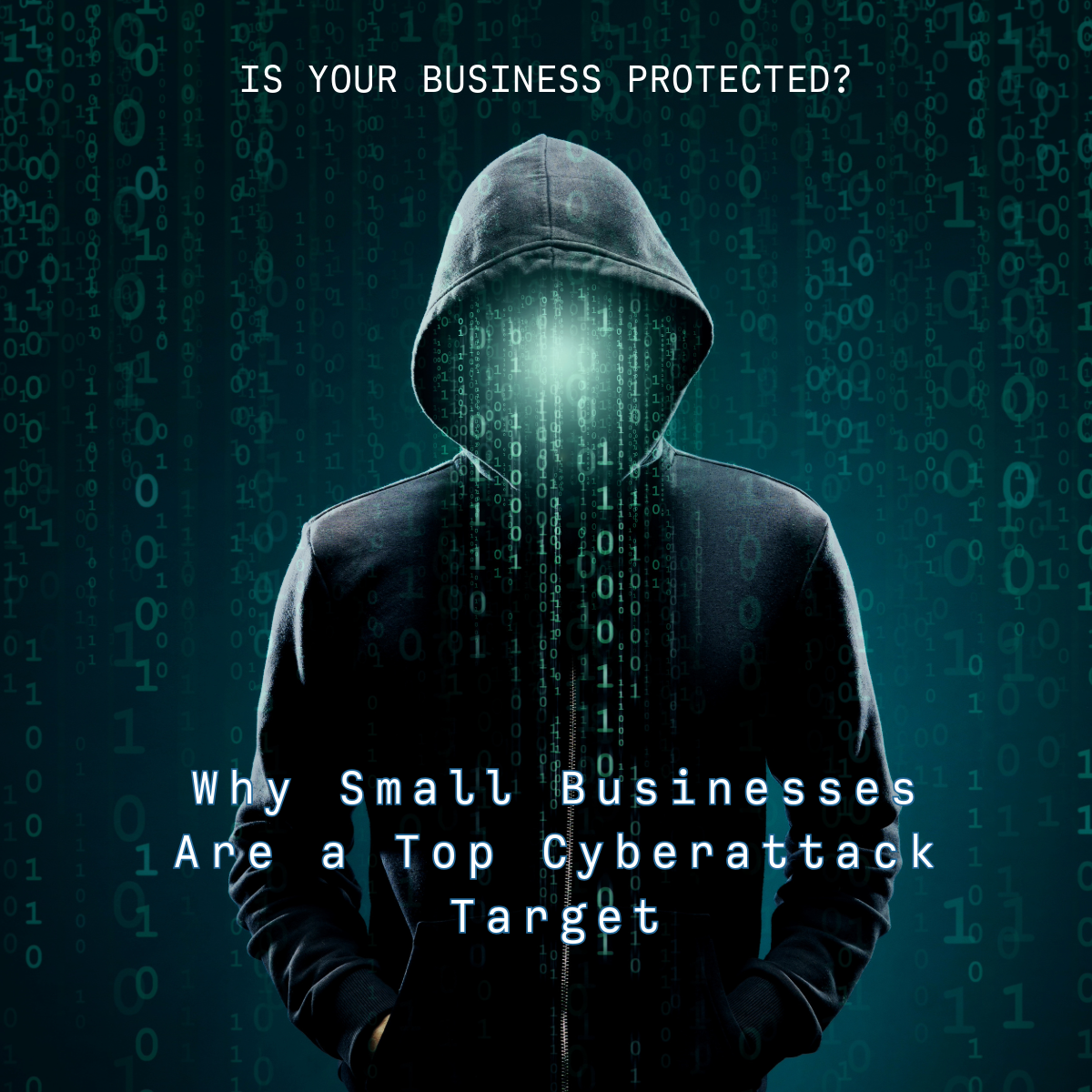
Most small business owners assume they’re too small to be worth an attacker’s time. It’s an understandable assumption, and it happens to be backwards.
Small businesses aren’t overlooked by cyberattacks. They’re targeted specifically, and the reasoning behind it is straightforward once you see it from the attacker’s side.
Why Small Businesses Get Targeted
Larger companies typically have dedicated security teams, layered defenses, and budgets built around protecting their systems. Small businesses usually don’t — not because owners don’t care, but because running the actual business already takes everything they’ve got. Fewer resources, less dedicated IT staff, and a lower chance that basic protections like multi-factor authentication are already in place.
That combination makes small businesses genuinely easier to get into. And once an attacker is in, a small business is still worth the effort — customer data, financial information, and payment systems don’t need to belong to a Fortune 500 company to be valuable.
The numbers back this up. A significant share of all cyberattacks specifically target small businesses. It’s not an edge case. It’s a pattern.
What’s Actually at Stake
The consequences aren’t proportional to the size of the business — if anything, they hit harder. The average cost of a cyberattack on a small business runs into the hundreds of thousands of dollars once downtime, recovery costs, and lost business are factored in. For a business without deep reserves, that’s not a bad quarter. It can be the end of the business entirely, and a meaningful share of small businesses that suffer a serious attack don’t survive it long-term.
That’s the part worth sitting with: this isn’t really a technology risk. It’s a business survival risk, wearing a technology costume.
How an MSP Actually Covers This (Without an Enterprise Budget)
Here’s the encouraging part: meaningfully changing these odds doesn’t require becoming a different kind of business or spending like one. A managed IT services provider (MSP) is built specifically to cover this ground, as ongoing support, not a one-time project. Here’s what that looks like in practice:
Multi-factor authentication. An MSP sets up and manages the extra login step, a tap on your phone, a code from an app, across your email, financial accounts, and payment systems. It blocks the vast majority of automated account attacks, and once it’s in place, it just runs quietly in the background.
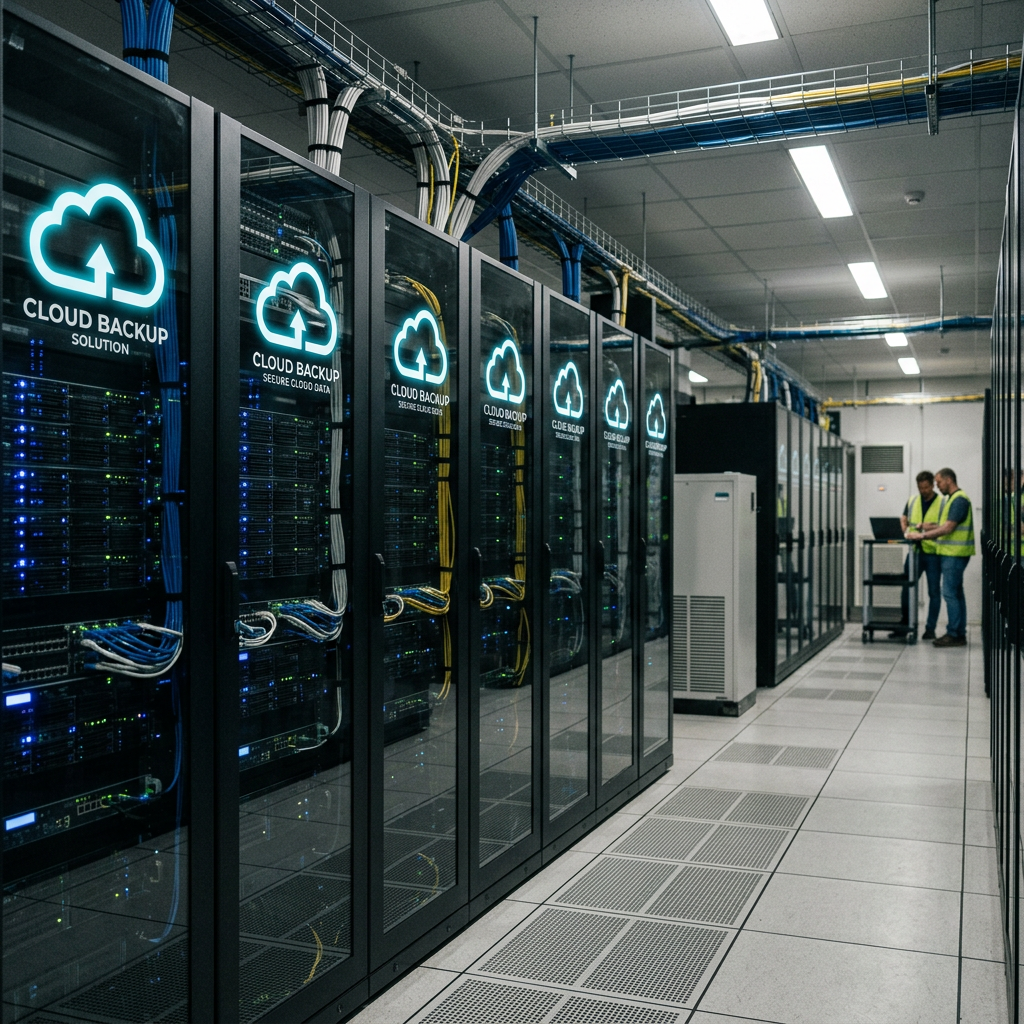
Regular, tested backups. Instead of hoping a backup exists somewhere, an MSP sets up automatic backups stored in more than one place and actually tests them, so if something goes wrong, you find out your backup works before you need it, not after.
Employee awareness training. Since most successful attacks start with a phishing email, an MSP trains your team to recognize the common signs, urgency, unexpected requests, slightly-off email addresses, and keeps that training current as new scams show up.
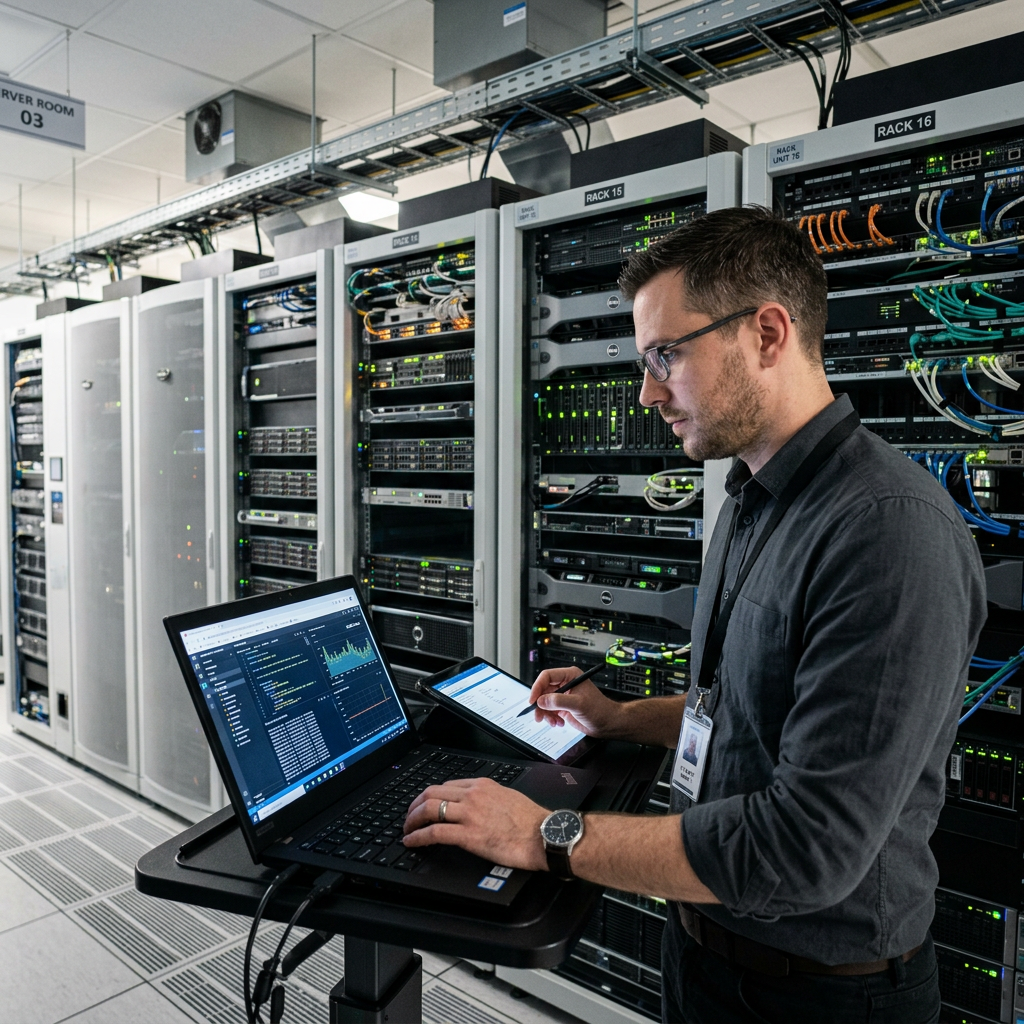
Ongoing monitoring. Rather than finding out about a problem when something breaks, an MSP watches your systems continuously, catching unusual activity in hours or days instead of months, often the difference between a manageable incident and a genuine crisis.
The Bottom Line
Small businesses that handle this well aren’t the ones with the biggest budgets. They’re usually the ones working with an MSP, often for less than the cost of a single serious incident.
Predictable IT is not a mystery and it’s not just for large organizations. It’s the result of a simple, repeatable routine: monitor the essentials, schedule updates, verify backups, keep email clean, and make support reliable.
CSI secures, monitors, and supports your IT so you can focus on growth. Serving Central & Southwest Florida. Call +1‑844‑340‑5060 or email [email protected]