
Small business owners should avoid running pirated software or software intended for students or personal use due to several critical risks and potential consequences:
1. Legal Risks:
- Licensing Violations: Using software intended for personal or student use in a business context violates the end-user license agreement (EULA), which can lead to legal action from the software company.
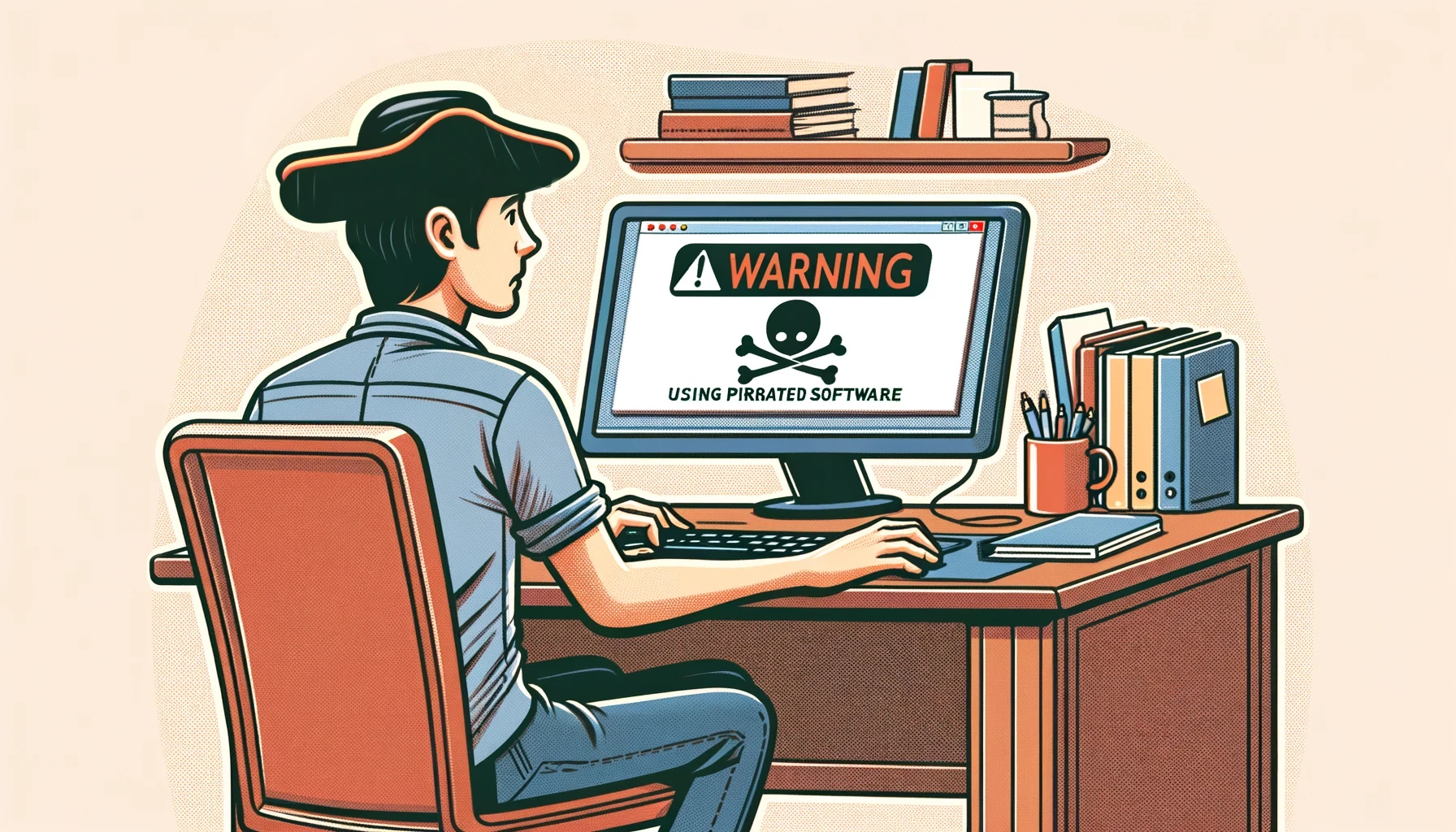
- Piracy Penalties: Using pirated software is illegal and can result in substantial fines, penalties, and even criminal charges.
2. Security Risks:
- Malware and Viruses: Pirated software often contains malware, viruses, or other malicious code, which can compromise the security of business data and systems.
- Data Breaches: Hackers can exploit pirated software to gain unauthorized access to sensitive business information, leading to data breaches and financial losses.
3. Operational Risks:
- Lack of Updates and Support: Legitimate software provides regular updates and technical support, which are crucial for maintaining security and functionality. Pirated or misused personal/student software lacks these benefits.
- System Instability: Unauthorized or pirated software can cause system crashes, data loss, and other operational disruptions that can significantly impact business productivity.
4. Compliance Issues:
- Regulatory Compliance: Businesses must comply with various regulations regarding software use and data protection. Using unauthorized or pirated software can lead to non-compliance and associated penalties.
- Audits and Inspections: During audits, the use of unlicensed software can result in hefty fines and damage the business’s reputation.
5. Reputation Damage:
- Professional Image: Using pirated or improperly licensed software can harm the business’s reputation with clients, partners, and stakeholders who expect professional standards and ethical practices.
- Client Trust: Security breaches resulting from compromised software can erode client trust and lead to loss of business.
6. Ethical Considerations:
- Intellectual Property: Using pirated software is unethical as it involves stealing intellectual property, undermining the work and livelihood of software developers.
- Business Ethics: Adhering to legal and ethical standards is crucial for maintaining a trustworthy and reputable business.
7. Functional Limitations:
- Feature Limitations: Software designed for personal or student use often lacks features and tools essential for business operations, leading to reduced efficiency and capabilities.
- Integration Issues: These versions might not integrate well with other business systems and software, causing workflow disruptions and inefficiencies.
8. Risk of Data Loss:
- Unreliable Performance: Pirated software is often unstable and unreliable, increasing the risk of data corruption and loss, which can have severe consequences for business operations.