Clicking on a phishing email can have several serious consequences. Here are some potential outcomes:
- Malware Installation: Clicking a link or downloading an attachment from a phishing email can install malware on your device. This malware could be anything from spyware, which monitors your activities, to ransomware, which locks your files and demands payment for their release.
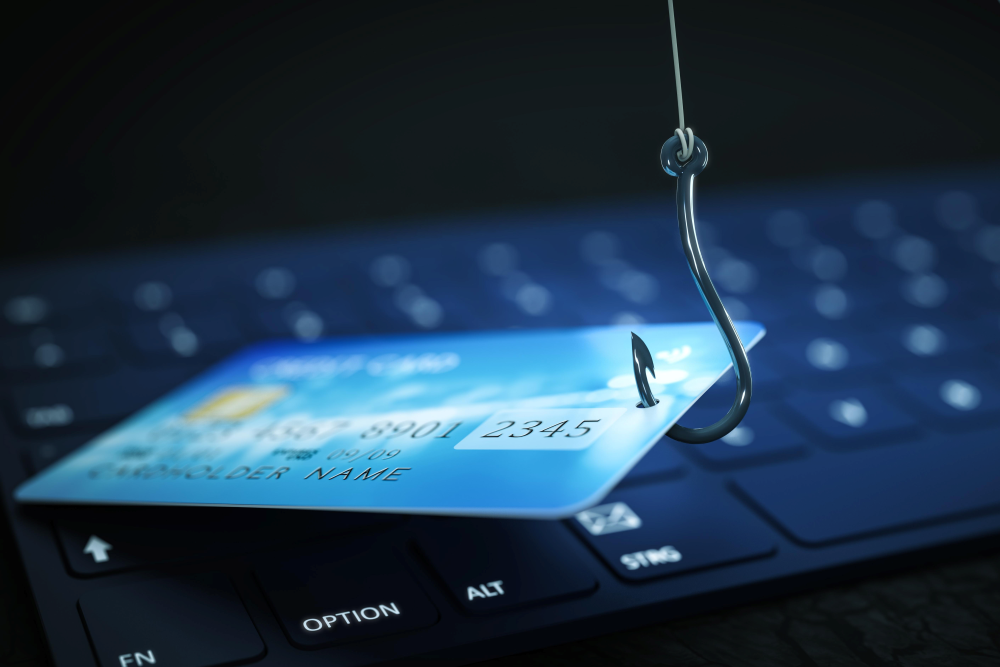
- Personal Information Theft: Phishing emails often contain links to fake websites designed to look like legitimate ones. If you enter your personal information, such as login credentials, credit card numbers, or other sensitive data, it can be stolen by the attacker.
- Account Compromise: If the phishing email targets a specific account (like email, banking, or social media), entering your credentials can lead to the immediate compromise of that account. Attackers can then use your account to perpetrate further fraud or phishing attacks.
- Financial Loss: Providing financial information or login credentials to a phony website can result in direct financial loss. Attackers may access your bank accounts or credit card information, leading to unauthorized transactions.
- Identity Theft: With enough personal information, attackers can commit identity theft, opening new accounts in your name, taking out loans, or engaging in other fraudulent activities that can ruin your credit and cause long-term financial harm.
- Spread of Infection: If malware is installed on your device, it can spread to other devices on the same network, potentially compromising more systems and data.
- Data Breach: In a corporate environment, clicking on a phishing email can lead to a data breach, exposing sensitive company information and potentially resulting in significant financial and reputational damage.
- Loss of Access: Ransomware installed through phishing can lock you out of your device or files, demanding a ransom payment to restore access. Even if you pay, there’s no guarantee your files will be recovered.
To minimize these risks, it’s crucial to be vigilant and cautious with emails, especially those from unknown or unexpected sources. Using updated security software, enabling multi-factor authentication, and educating yourself and others about phishing tactics can help protect against these threats.